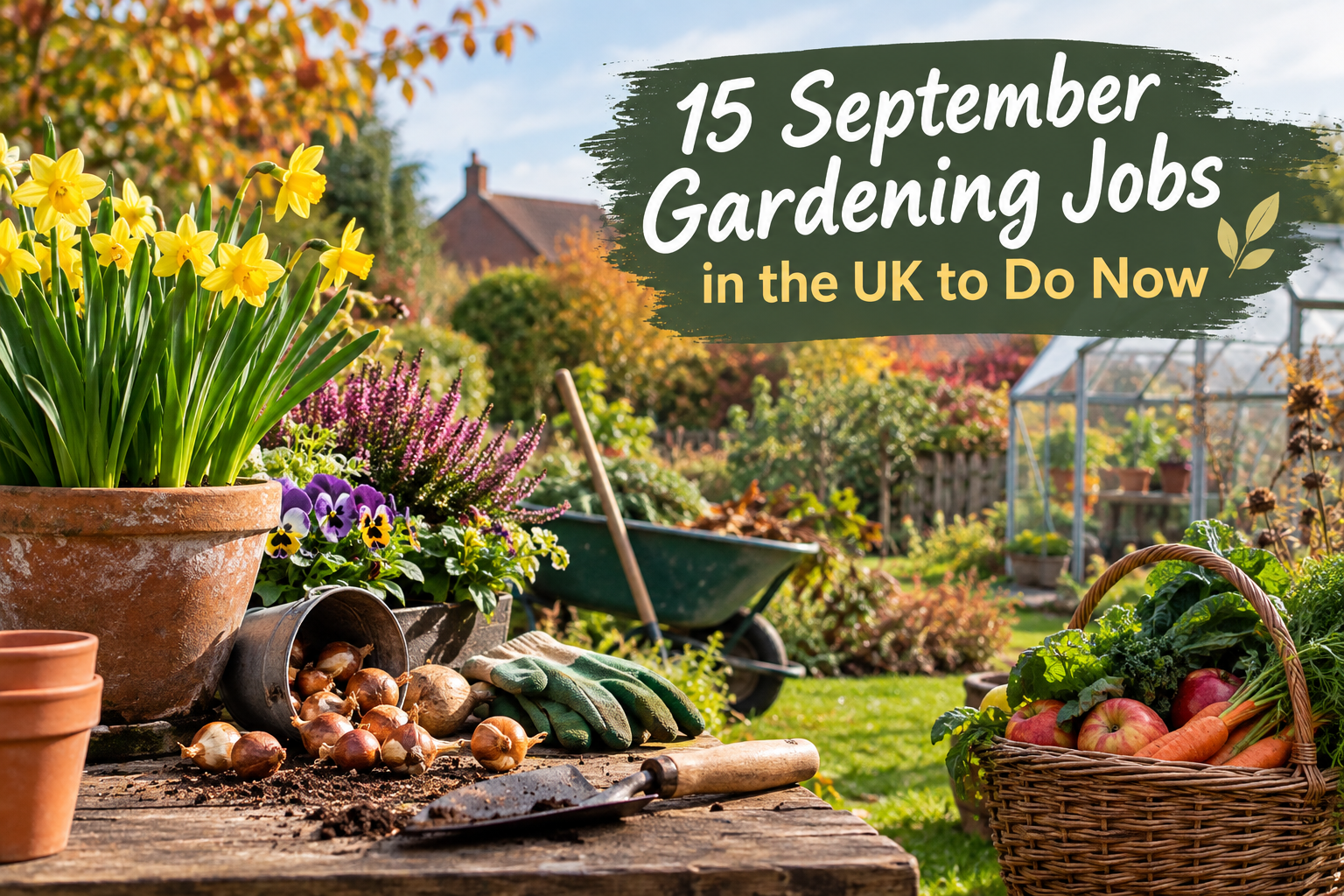
September is one of those months when the garden begins to change quite quickly. Summer growth is coming to an end, days are getting shorter and cooler, wet weather is on the way. But that doesn’t mean the gardening season is over.
September is actually a great month to get your garden ready for autumn and winter, and to enjoy the end of the summer harvest.
There are plenty of jobs worth doing now, such as planting spring flowering bulbs, fixing tired lawns, harvesting fruit and vegetables, watering newly planted plants and preparing greenhouses and cold frames for cooler weather.
The exact timing will vary depending on where you live in the UK. Gardens in northern England and Scotland can experience cooler conditions earlier than gardens in southern England, so local weather conditions should always be considered.
Here are some of the most useful September gardening jobs in the UK.
1. Plant spring flowering bulbs
September is a good time to start planting spring flowering bulbs such as daffodils, crocuses and hyacinths.
The RHS and Met Office both recommend planting spring-flowering bulbs during this period, preferably before the ground becomes too cold or difficult to work.
Planting in autumn gives bulbs time to establish roots before winter. When spring arrives, they can then produce flowers without you having to do much work.
When choosing bulbs, consider where you want colour in spring. Daffodils can work well in lawns, borders and containers, while smaller bulbs such as crocuses can look effective when planted in groups.
Always follow the planting depth and spacing instructions supplied with your particular bulbs because these can vary between varieties.
2. Give your lawn some autumn care
Summer can be hard on a lawn. Regular use, dry periods and warm weather can leave grass looking thin, compacted or worn.
September and October are useful months for autumn lawn maintenance. The RHS recommends jobs such as scarifying and aerating where appropriate, helping the lawn recover from summer and prepare for the months ahead.
If your lawn is still growing actively, continue mowing when necessary. The RHS recommends keeping the cutting height relatively high during September rather than cutting the grass extremely short.
You can also:
- Remove excessive thatch and dead material where necessary.
- Aerate compacted areas.
- Repair obvious bare patches.
- Avoid mowing when the ground is very wet.
- Add grass clippings to the compost heap in thin layers.
Do not assume every lawn needs aggressive scarifying. If your lawn is healthy and has little thatch, lighter maintenance may be all that is required.
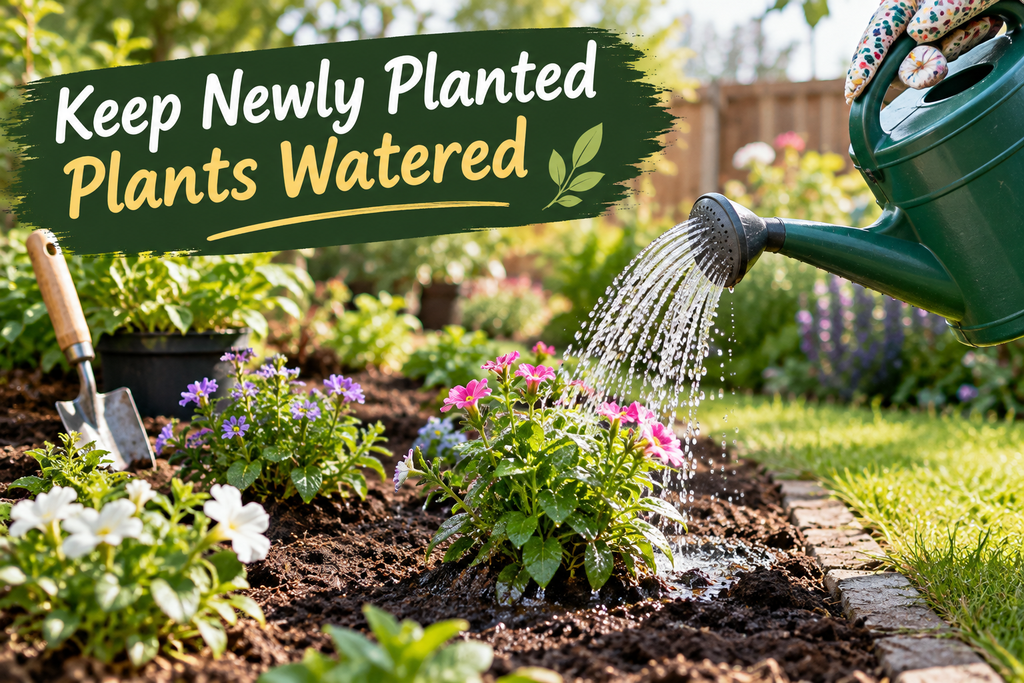
3. Keep newly planted plants watered
September can bring more rain than the summer months, but newly planted trees, shrubs and other plants can still need watering.
The RHS recommends continuing to water new plants during September, using rainwater or grey water where possible.
A common mistake is to stop watering simply because autumn has arrived.
Instead, check the soil before watering. If the soil is already damp, additional water may not be necessary. If it is dry around recently planted plants, give them a thorough watering.
Watering the soil around the roots is generally more useful than repeatedly wetting the leaves.
4. Harvest apples and pears
September is an important harvesting month for many fruit trees.
The RHS notes that harvesting of apples and pears begins in earnest during September, while plums and autumn-fruiting raspberries can also be ready to pick.
Do not automatically pick every apple just because September has arrived. Ripening times vary between varieties.
Look at the fruit and check the information for the particular variety you are growing. Fruit that is ready to harvest should generally come away without excessive force.
Regular harvesting also prevents ripe fruit from remaining on the tree and becoming damaged or attracting pests.
5. Continue harvesting vegetables
If you grow your own vegetables, September can be a busy month.
Depending on what you planted earlier in the year, you may still be harvesting a range of crops.
The RHS recommends continuing to sow some vegetables for overwintering, including spinach, winter lettuce, rocket and salad leaves.
You may also have crops ready to harvest from earlier sowings.
Keep checking plants regularly rather than allowing mature crops to become overgrown or damaged.
September is also a good time to think about what you want growing during winter. A little planning now can help prevent the vegetable garden from becoming completely empty once summer crops finish.
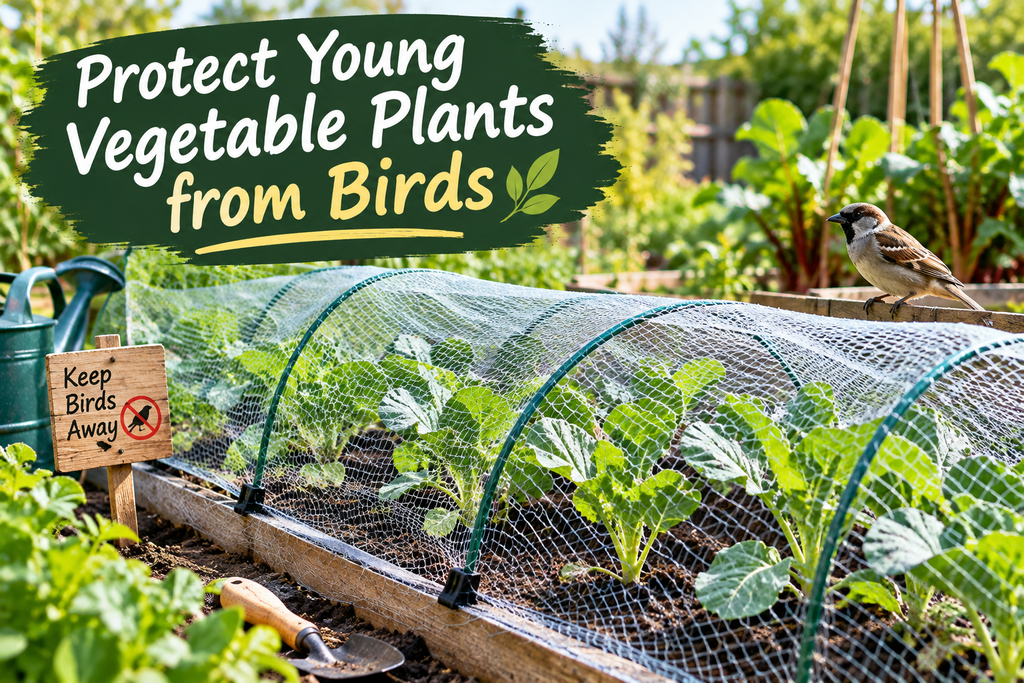
6. Protect young vegetable plants from birds
Young vegetable plants can attract unwanted attention from birds.
For example, the RHS recommends protecting newly planted overwintering onion sets until they have rooted. Spring cabbages may also benefit from netting because pigeons can damage the leaves.
If you use netting, make sure it is installed securely and appropriately for the crop and local wildlife.
Do not leave loose or damaged netting lying around the garden, as it can create a risk to birds and other animals.
7. Prepare your greenhouse for autumn
As temperatures begin to fall, your greenhouse can become increasingly useful.
September is a good time to clean out greenhouses and cold frames so they are ready for autumn use. The RHS includes cleaning these structures among its September gardening jobs.
Remove dead leaves, old plant material and unnecessary pots.
Cleaning the glass can also help maximise the amount of available light as daylight hours decrease.
Before the weather becomes significantly colder, check that doors, vents and other parts of the greenhouse are working properly.
A little maintenance now can make the greenhouse easier to manage during autumn and winter.
8. Start reducing houseplant watering
Changing seasons are hard on more than just your outdoor garden.
With less daylight, many houseplants will begin to slow down their growth.
In September the RHS suggest gradually cutting back on watering for many houseplants, allowing the compost to dry out almost completely between waterings. Active plants, whether growing or flowering, may have different needs.
The important point is that you do not apply a watering schedule to every plant.
Look at the needs of your individual plants. Look at changes in light and temperature in your home.
If a plant is near a window, ensure it receives the proper light without exposure to cold, inappropriate temperatures.
9. Divide established herbaceous perennials
September can be a useful time to divide some established herbaceous perennials.
Dividing plants can help manage overcrowded clumps and give you additional plants for other parts of the garden.
However, not every perennial should automatically be divided in September.
Check the requirements of the particular plant before lifting and splitting it. Some plants are better divided at other times of the year.
If you do divide a plant, make sure the new sections have healthy roots and suitable growing points before replanting.
Water newly divided plants and keep an eye on them while they establish.
10. Collect seeds from suitable plants
If you have plants that have produced seeds, September can be a good time to collect and save some for future use.
The RHS lists collecting and sowing seed from perennials and hardy annuals among September garden jobs.
Only collect seeds from healthy plants and make sure they are mature before storing them.
Label your seeds with the plant name and collection date. Store them according to the requirements of the particular species.
This can be an inexpensive way to grow more plants in future seasons.
11. Prepare the garden for falling leaves
Autumn leaf fall will become more noticeable as the season progresses.
You do not necessarily need to remove every leaf from every part of the garden. Leaves can provide habitat and organic material in appropriate areas.
However, thick layers of leaves on lawns can block light and create damp conditions.
Clear leaves from paths, steps and other areas where they could become slippery.
You can also add suitable leaves to a composting system or create leaf mould, depending on the space available.
12. Check ponds before leaves start falling heavily
If you have a garden pond, September is a good time to think about autumn leaf fall.
The RHS recommends netting ponds before leaf fall gets underway.
Leaves that accumulate in a pond can break down and add organic material to the water.
A suitable pond net can make it easier to remove fallen leaves before they accumulate.
If your pond contains fish or other wildlife, take care when carrying out maintenance and choose methods that minimise disturbance.
13. Consider sowing green manure
Bare soil can be vulnerable to erosion and nutrient loss during wet weather.
The RHS recommends using green manures such as winter tares and Italian ryegrass to cover bare areas and help protect the soil over winter.
Green manure crops are grown primarily to benefit the soil rather than for harvesting.
They can be particularly useful in vegetable gardens where an area would otherwise remain bare for several months.
Before choosing a green manure, check whether it is suitable for your soil, cropping plan and local conditions.
14. Do not rush to remove everything that looks untidy
A tidy garden is not necessarily the best garden for wildlife.
As autumn approaches, some plants will naturally die back. It can be tempting to cut everything down immediately, but leaving some stems and seed heads can provide food and shelter for wildlife.
You can take a more selective approach.
Remove diseased material where appropriate, clear paths and maintain areas that need to remain accessible, but consider leaving some healthy plant material standing through the colder months.
This can also give the garden some structure during winter.
15. Deal with garden waste responsibly
September garden work can create a surprising amount of waste.
Before putting everything on a bonfire, check the rules that apply where you live.
In England, GOV.UK says you cannot dispose of household waste by burning it if doing so causes pollution or harms people’s health. Smoke drifting across a road and creating a danger to traffic can also lead to a fine. Local councils can investigate bonfire smoke that amounts to a statutory nuisance.
Composting, recycling and local garden-waste collection services can be better options.
Rules and waste services can vary between parts of the UK, so check your local council’s guidance before disposing of garden waste.
What should you prioritise in September?
If you do not have time to complete everything on this list, focus on the jobs that will make the biggest difference.
If you have a lawn
Start with:
- Mowing when required.
- Removing excessive thatch if necessary.
- Aerating compacted areas.
- Repairing bare patches.
- Preparing the lawn for wetter autumn conditions.
If you grow vegetables
Focus on:
- Harvesting crops that are ready.
- Protecting young plants.
- Planning overwintering crops.
- Clearing finished crops.
- Preparing empty beds.
If you grow flowers
Prioritise:
- Planting spring-flowering bulbs.
- Collecting suitable seeds.
- Dividing appropriate perennials.
- Supporting plants that still need it.
- Leaving some useful plant material for wildlife.
If you have a greenhouse
Check:
- Glass and ventilation.
- Doors and frames.
- Dead or diseased plant material.
- Pots and growing areas.
- Plants that may need protection as temperatures fall.
September gardening checklist
Here is a simple checklist you can save or print:
- [ ] Plant spring-flowering bulbs
- [ ] Check and maintain the lawn
- [ ] Aerate compacted lawn areas if needed
- [ ] Repair bare patches
- [ ] Continue watering new plants when the soil is dry
- [ ] Harvest apples and pears when ready
- [ ] Harvest remaining vegetables
- [ ] Protect vulnerable crops from birds
- [ ] Clean the greenhouse
- [ ] Prepare cold frames for autumn
- [ ] Gradually reduce houseplant watering
- [ ] Divide suitable herbaceous perennials
- [ ] Collect mature seeds
- [ ] Prepare for falling leaves
- [ ] Protect ponds from excessive leaf fall
- [ ] Consider green manure for bare soil
- [ ] Dispose of garden waste responsibly
Final thoughts
September is not a month to put the gardening tools away. It is a month of transition.
The garden is moving from summer towards autumn, and a few sensible jobs now can make the next few months much easier.
Planting spring bulbs gives you something to look forward to next year. Looking after the lawn can help it recover from summer. Harvesting fruit and vegetables makes the most of what you have grown, while preparing greenhouses, ponds and garden beds helps you get ready for cooler weather.
You do not need to complete every job in one weekend.
Start with the jobs that match your garden, your plants and the weather in your area. Good September gardening is mostly about preparing ahead rather than trying to do everything at once.
Sources and further guidance
- Royal Horticultural Society — September gardening jobs
- Royal Horticultural Society — September lawn care
- Royal Horticultural Society — September grow-your-own advice
- Met Office — September gardening advice
- GOV.UK — Garden bonfire rules

1 thought on “15 September Gardening Jobs in the UK to Do Now”